
Warmer floors in winter
Insulation under the floorboards stops cold air rising from the subfloor, so your feet stay warm and the heating system works less to maintain a comfortable temperature.
Burnside
Underfloor insulation in Burnside eliminates cold floors and draughts through suspended timber floors. We install batts or reflective foil between joists in the subfloor to improve thermal resistance and comfort in older brick and weatherboard homes.
Share your details and Expert Insulation Melbourne will contact you about Underfloor Insulation in Burnside.
Burnside homes with suspended timber floors often suffer from cold floors and draughts rising through gaps in the floorboards. Underfloor insulation is installed from the subfloor, fitting batts or foil between the floor joists to create a thermal barrier. This is especially effective in older brick veneer and weatherboard houses common in the area, where the subfloor space is accessible and the existing floor structure allows for straightforward installation.
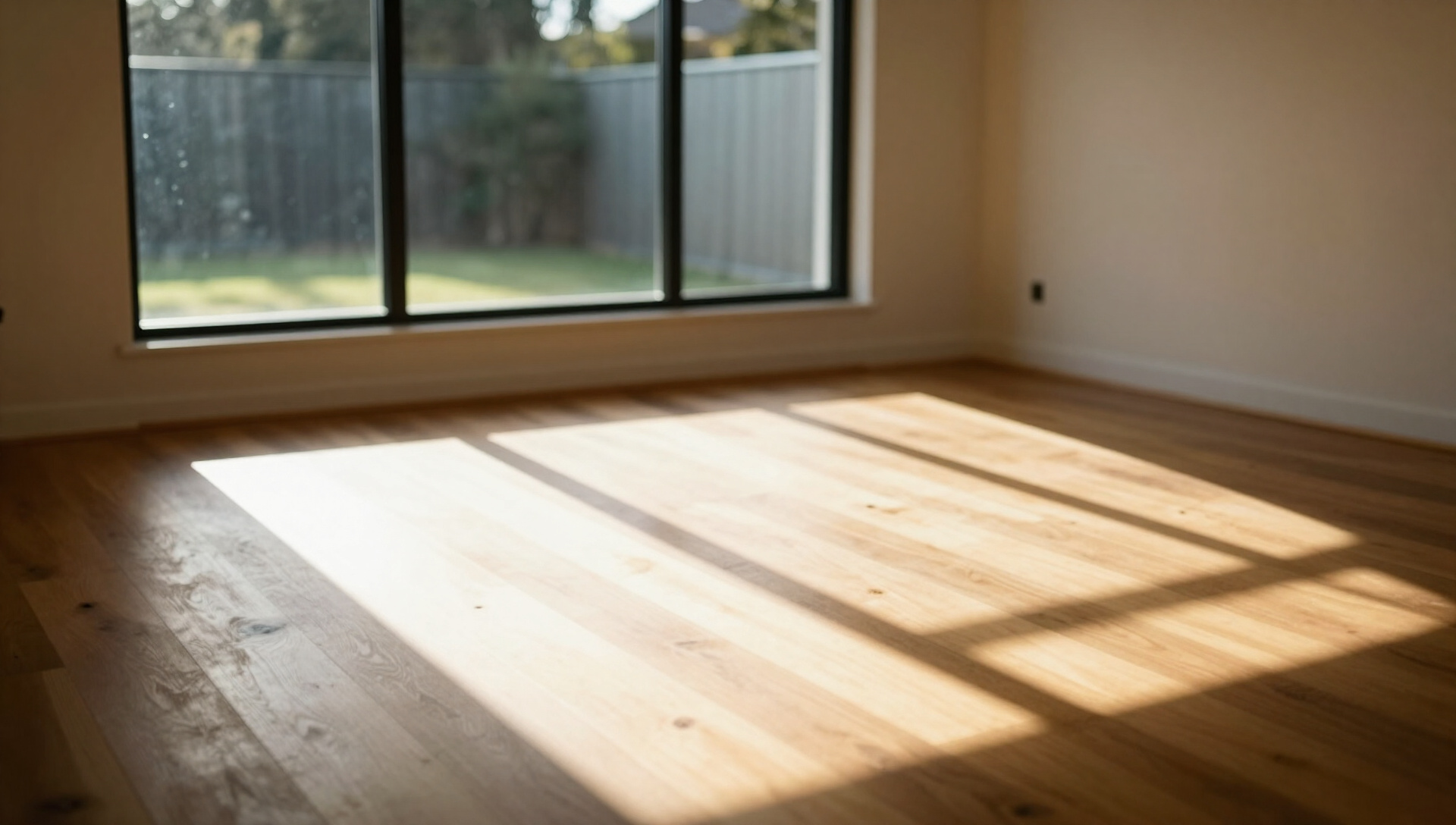
Melbourne’s cold winters and hot summers make temperature control a challenge, and Burnside’s older homes often lack any insulation beneath the floor. Adding underfloor insulation directly addresses the cold floors and draughts that make living spaces uncomfortable, while also improving energy efficiency.
Insulation under the floorboards stops cold air rising from the subfloor, so your feet stay warm and the heating system works less to maintain a comfortable temperature.
Gaps between floorboards and around skirting let cold air in. Underfloor insulation blocks these draughts, making rooms feel more sealed and comfortable.
By reducing heat loss through the floor, your heater runs for shorter cycles, cutting energy use and power bills during Melbourne’s coldest months.
In summer, underfloor insulation also helps keep indoor temperatures steadier by limiting heat gain through the floor from the ground below.
Installation is done from the subfloor, so there is no need to remove flooring or furniture. Access is through the crawl space under the house.
Quality bulk insulation like glasswool or polyester batts maintains its thickness and R-value over time, providing lasting thermal resistance.
The process starts with a quick inspection of the subfloor to check joist spacing, clearance and any existing insulation. We then measure up and select the right product for your floor type and budget.
We enter the crawl space to confirm there is enough height between the ground and the floor joists, and that the area is dry and free of pests. If old batts are present, we note whether removal is needed.
Batts are cut to the exact width of the joist spacing so they sit snugly without gaps. Reflective foil is stapled to the underside of the joists with an air gap for best performance.
We work systematically across the subfloor, fitting insulation between every joist to ensure full coverage. Corners and edges are carefully sealed to prevent air leakage.
Once complete, we verify all areas are covered and that no insulation is sagging or compressed. Any debris is removed from the subfloor before we exit.
Burnside’s mix of interwar bungalows and postwar brick homes often have suspended timber floors with no insulation beneath. This leaves them vulnerable to cold floors and draughts, especially during Melbourne’s winter. Underfloor insulation is a straightforward upgrade that improves comfort without altering the home’s structure. Nearby suburbs like Caroline Springs and Deer Park share similar housing stock, and we service those areas as well.
Stop cold floors and draughts in Burnside with underfloor insulation installed from the subfloor.
Homeowners in Burnside often ask about access, cost factors and whether their floor type is suitable. Here are the most common questions we answer on site.
Expert Insulation Melbourne provides underfloor insulation in Burnside for homes with suspended timber floors. Cold floors and draughts are common in older brick veneer and weatherboard houses in the area, and installing batts or reflective foil between the floor joists from the subfloor space solves both issues. The work is done without removing flooring, and typical R-values for underfloor applications range from R1.5 to R2.5, depending on the product chosen.
Burnside’s climate exposes homes to cold winters and hot summers, making thermal resistance under the floor as important as in the ceiling. Underfloor insulation reduces heat loss through the floor in winter and limits heat gain in summer, leading to more stable indoor temperatures and lower energy bills. It also blocks draughts that enter through gaps in floorboards, improving comfort in living areas.
The cost of underfloor insulation in Burnside depends on the size of the subfloor, the chosen R-value and whether old material needs removal. Access can affect the time on site, with most jobs completed in a day. Signs your home needs this service include cold floors in winter, noticeable draughts and higher than expected heating costs. If old insulation is present and may contain asbestos, work stops until a qualified assessor inspects it.
Call Expert Insulation Melbourne on 0399695249 or email info@expertinsulationmelbourne. com. au to arrange a subfloor inspection and quote for underfloor insulation in Burnside.